Homeowners Hit With Double Charges as Essential Infrastructure Remains Unadopted
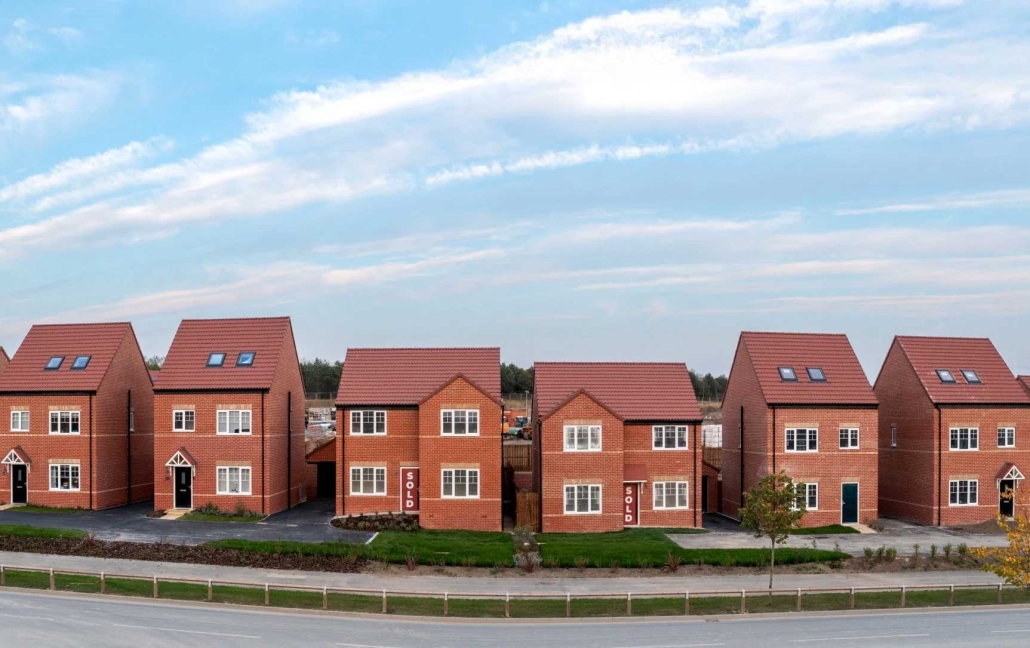
Thousands of homeowners are facing unexpected and unfair financial burdens as vital infrastructure on new housing estates, including roads and drainage systems, remain unadopted by local authorities. This situation forces residents to pay for maintenance and services they already contribute to through council tax, creating a ‘double-charging’ scenario.
Key Takeaways
- Ninety percent of new housing developments built in the last three years have unadopted roads, with 97% of new sewers and 98% of sustainable drainage systems (SUDS) also remaining unadopted.
- Homeowners are paying service charges for these unadopted amenities on top of their council tax, which should cover such services.
- Significant inconsistencies exist across local authorities, with some adopting no new roads at all.
- Barriers to adoption include rising costs, differing design requirements, and lengthy adoption processes.
The Scale Of The Problem
Research from the Home Builders Federation (HBF) reveals a stark reality: only 10% of new developments with 10 or more homes built in the past three years have had their roads adopted by local authorities. This leaves the vast majority, 90%, under the management of private companies. The situation is even more pronounced for essential services like sewers and sustainable drainage systems (SUDS), with 97% and 98% respectively remaining unadopted years after construction.
Unfair Financial Burden On Homeowners
When public bodies fail to adopt roads and infrastructure, home builders are compelled to arrange private management. This arrangement effectively transfers the responsibility and cost of maintenance onto the homeowners. These residents are then burdened with paying service charges for services like road upkeep and drainage, despite already contributing to these through their council tax payments. The HBF describes this as a “fragmented, unfair system for homeowners and builders alike.”
Inconsistencies And Delays
The research highlights significant disparities in adoption rates among local authorities. A third of councils surveyed reported no new roads adopted in recent developments, and only one council had adopted all new roads. Further compounding the issue are delays in sewer adoption, as local authorities often will not adopt roads until the sewers are formally adopted. Data from the UK’s six largest water companies shows a mere 3% of sewer adoption applications were completed in the last three years, with only 2% of SUDS applications being successful.
Calls For Reform
Barriers preventing public adoption include escalating costs for bonds, inspection fees, inconsistent local authority design standards, and the protracted nature of the adoption process. The Competition & Markets Authority (CMA) has identified this issue and recommended reforms, including the implementation of a common adoptable standard for public amenities across the UK and mandatory adoption of infrastructure on new housing estates.
The HBF is urging the government to act on these recommendations. They are calling for statutory timelines for adoption agreements, a review of financial requirements for highway bonds, increased capacity and resources for local authorities, and reduced bills for residents living on estates with unadopted amenities. Neil Jefferson, CEO of the HBF, stated, “Unadopted housing estates leave homeowners unfairly burdened with ongoing costs whilst placing a significant strain on house builders.”