UK Construction and Housing Markets Face Downturn Amidst Post-Budget Uncertainty
The UK’s construction sector and housing market are experiencing a significant slowdown, with forecasts revised downwards following the recent Autumn Budget. Uncertainty surrounding potential tax increases and spending cuts is causing both businesses and households to postpone investment and purchasing decisions, leading to a palpable chill in economic activity.
Key Takeaways
- Construction output forecasts have been lowered for 2025 and 2026.
- Private housing activity is particularly affected, with reduced growth predictions.
- House prices have seen a notable drop, with further sensitivity expected.
- Infrastructure projects face mixed fortunes, with some areas boosted by investment while others, like roads, are set for decline.
- Pre-Budget jitters have transitioned into post-Budget disappointment, impacting market momentum.
Construction Sector Forecasts Plummet
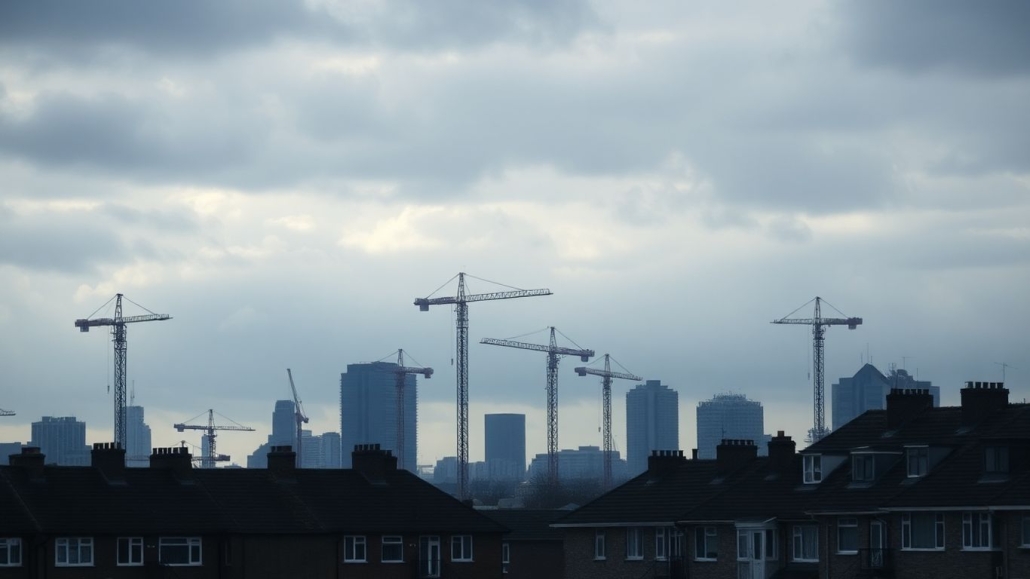
Construction output is now only predicted to grow by 1.1% in 2025 and 2.8% in 2026, a downward revision from earlier expectations. Firms across the supply chain report a slowdown since spring, with private housing, infrastructure roads, and commercial new build offices being particularly impacted. Private housing output forecasts have been reduced from 4.0% to 2.0% for 2025 and from 7.0% to 4.0% for 2026. Demand and affordability remain significant challenges, especially in areas with higher house prices, while site viability is an issue in more affordable regions due to additional government-imposed costs.
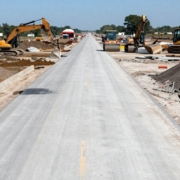
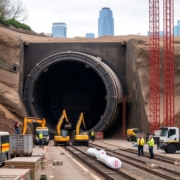
Infrastructure is expected to see growth of 1.9% in 2025 and 4.4% in 2026, driven by water, sewerage, and energy sectors. However, road spending is anticipated to decline due to delays and funding cuts in the next Road Investment Strategy. Concerns also linger over the HS2 project and the private financing of major stations like Euston.
House Prices See Sharp Decline
The average price of a UK property coming to market has fallen by 1.8% this month, equating to a £5,366 reduction, bringing the average cost to £366,592. This marks the second consecutive month of higher-than-average declines. Property portal Rightmove attributes this to “post-budget disappointment” and a larger-than-normal seasonal slowdown as the year-end approaches. Despite this, activity is stronger than last year, buoyed by optimism around interest rate cuts, which Rightmove forecasts will lead to a 4% increase in average new seller asking prices next year. However, the market is expected to remain price-sensitive, with a decade-high number of sellers competing for buyers.
Broader Economic Headwinds
Uncertainty surrounding the Autumn Budget has intensified, leading households and businesses to delay spending and investment. This hesitancy is expected to limit demand in key construction sectors. While some analysts predict a modest rise in house prices for 2025, ranging from 1% to 4%, the overall sentiment suggests a cautious market. Speculation about potential property tax changes, such as a tax on homes above £500,000 or changes to capital gains tax exemptions, has already caused a slowdown in the higher-value segments of the market. The full impact of the Budget’s tax rises is anticipated to be felt most strongly as the industry moves into 2026, with the potential for growth or contraction depending heavily on government fiscal decisions.