
Robotics and AI Enter UK Building Sites

AI and robotics are increasingly becoming a fixture on UK construction sites. From autonomous site inspections using drones to robotic arms laying bricks, technology is improving safety and productivity.

Companies such as Balfour Beatty and Kier have invested heavily in digital site management tools. AI is being used for risk assessment, planning logistics, and optimising resource use.

Experts forecast that by 2030, nearly 25% of construction tasks could be automated.
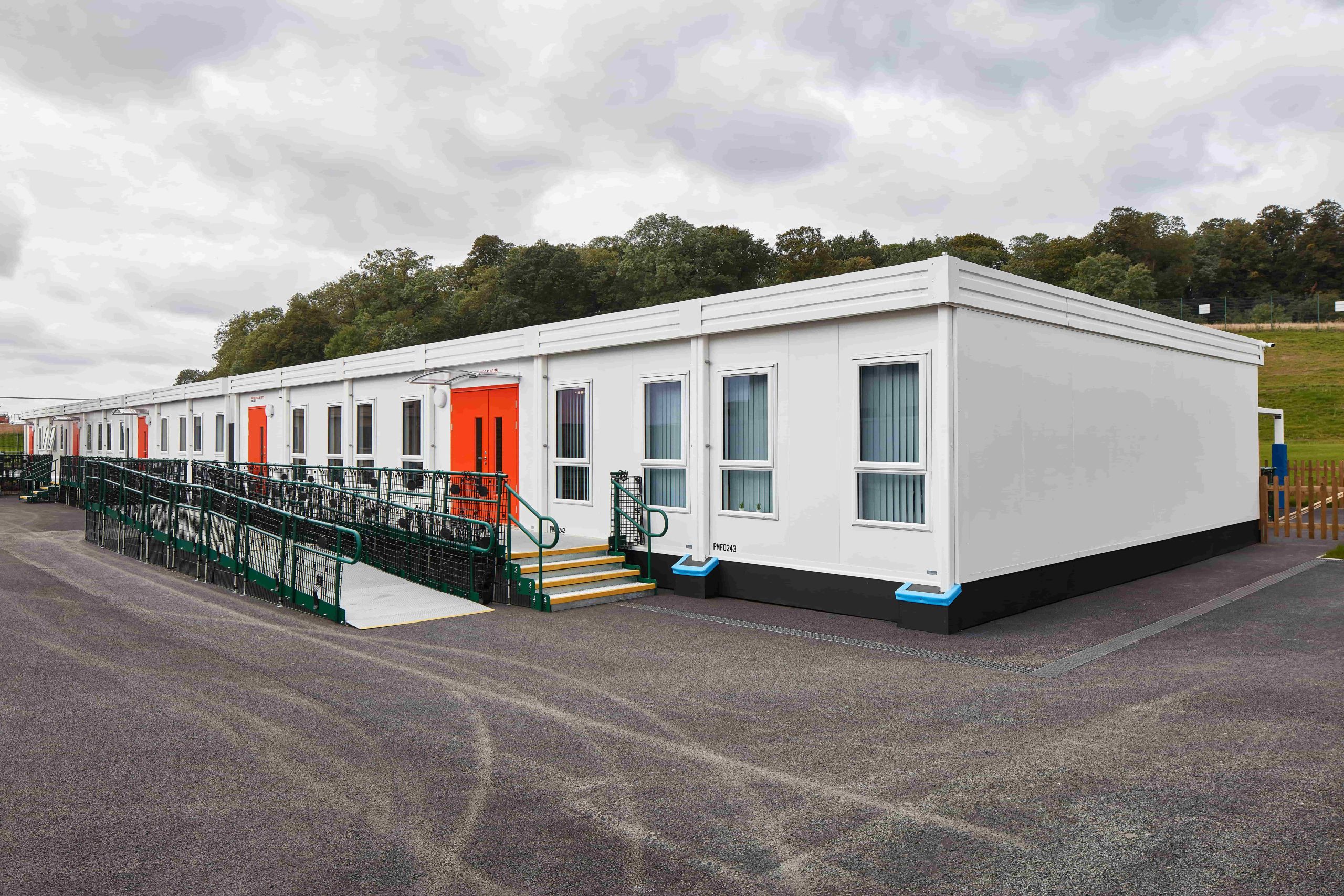
Modular Construction Revolutionises London Schools

A wave of school projects across Greater London is embracing modular construction to address the city’s classroom shortage. Boroughs including Croydon and Hackney are adopting off-site manufacturing to deliver high-quality learning environments in record time.

The Department for Education has approved over 50 modular builds in 2025, citing reduced disruption, cost efficiency, and energy savings. “It’s faster, greener, and smarter,” said DfE’s Construction Lead, Laura Ingram.

Modular specialist companies report a 70% increase in enquiries from local councils.

Labour Shortages Still Plaguing UK Construction in 2025

Despite increased wages and training incentives, skilled labour shortages continue to hamper construction output across the UK. A recent survey by the Construction Leadership Council revealed that over 60% of firms are operating below capacity due to understaffing.

Brexit, an aging workforce, and slow apprenticeship uptake have been blamed for the persistent gaps.

Organisations like CITB and Build UK are calling for urgent reform in vocational education and immigration policies to plug the skills gap.

New Fire Safety Regulations Transform High-Rise Construction

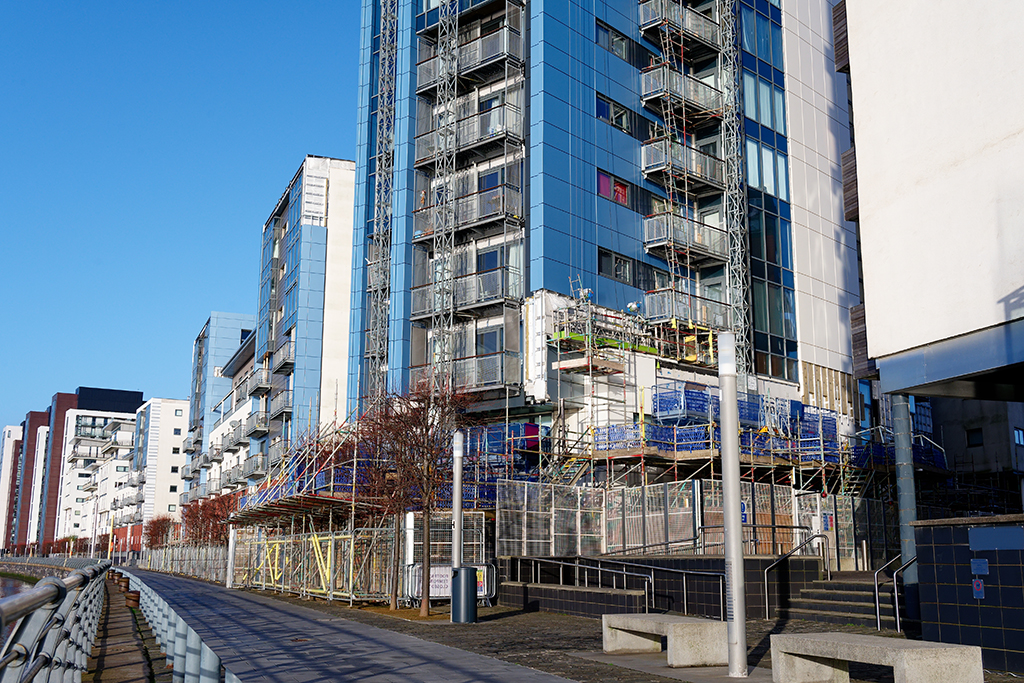
The Building Safety Act 2025 introduces sweeping changes to fire safety requirements for buildings over 18 metres tall. The legislation bans the use of certain cladding materials and mandates enhanced evacuation protocols and fire suppression systems.

“The Grenfell tragedy must never be repeated,” said Housing Minister James Cartlidge. “These regulations are our strongest commitment to that promise.”

Developers and architects are rapidly adapting their designs and procurement practices to meet the new standards.

Green Concrete Trials Launched in Birmingham Office Scheme

In a pioneering move, a major office development in Birmingham is trialling the UK’s first batch of net-zero concrete. The trial, led by Mace Group and ConcreteZero, aims to cut carbon emissions by up to 80% compared to traditional mixes.

If successful, the product could become standard in large-scale projects by 2027.

“This is a game changer for sustainable urban development,” said project manager Fatima Yusuf. The development has already attracted interest from environmental regulators and city planners across the UK.

Housing Build

UK Government Launches £3.2bn Housing Infrastructure Boost

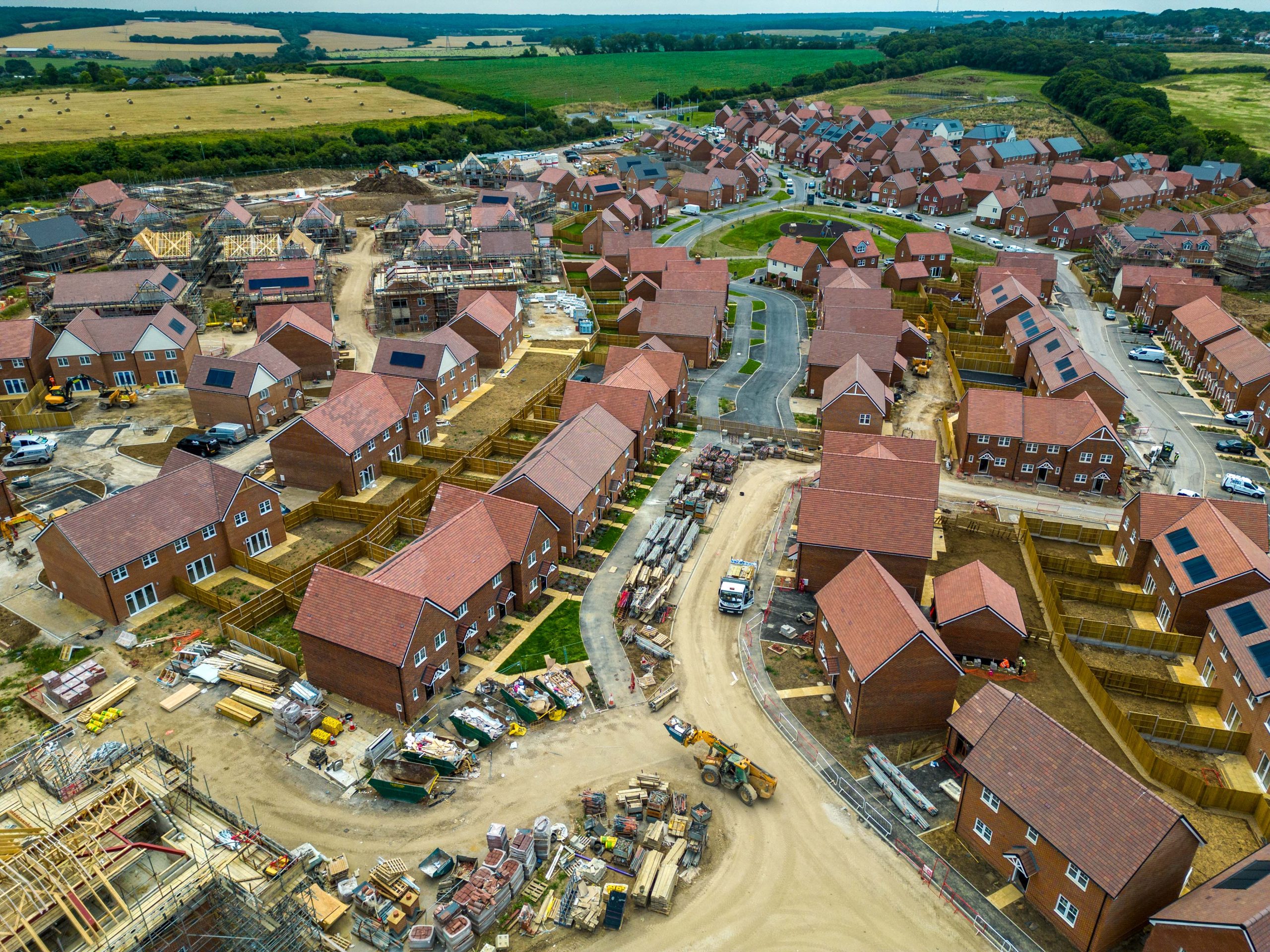
The UK government has unveiled a landmark £3.2 billion infrastructure package aimed at accelerating housing development and unlocking up to 150,000 new homes across England. The funding, part of the “Homes and Growth” strategy, will prioritise brownfield land redevelopment, improvements in local transport connectivity, and utility upgrades.

Housing Secretary Rachel Maclean stated, “This investment marks a bold step forward in addressing the housing shortage while maintaining our environmental commitments.”

The construction sector has largely welcomed the move, with many firms anticipating a surge in contract opportunities. However, industry leaders have urged the government to streamline the planning process to ensure timely delivery.

HS2 Phase 2 Officially Cancelled: What Now for Northern Rail?

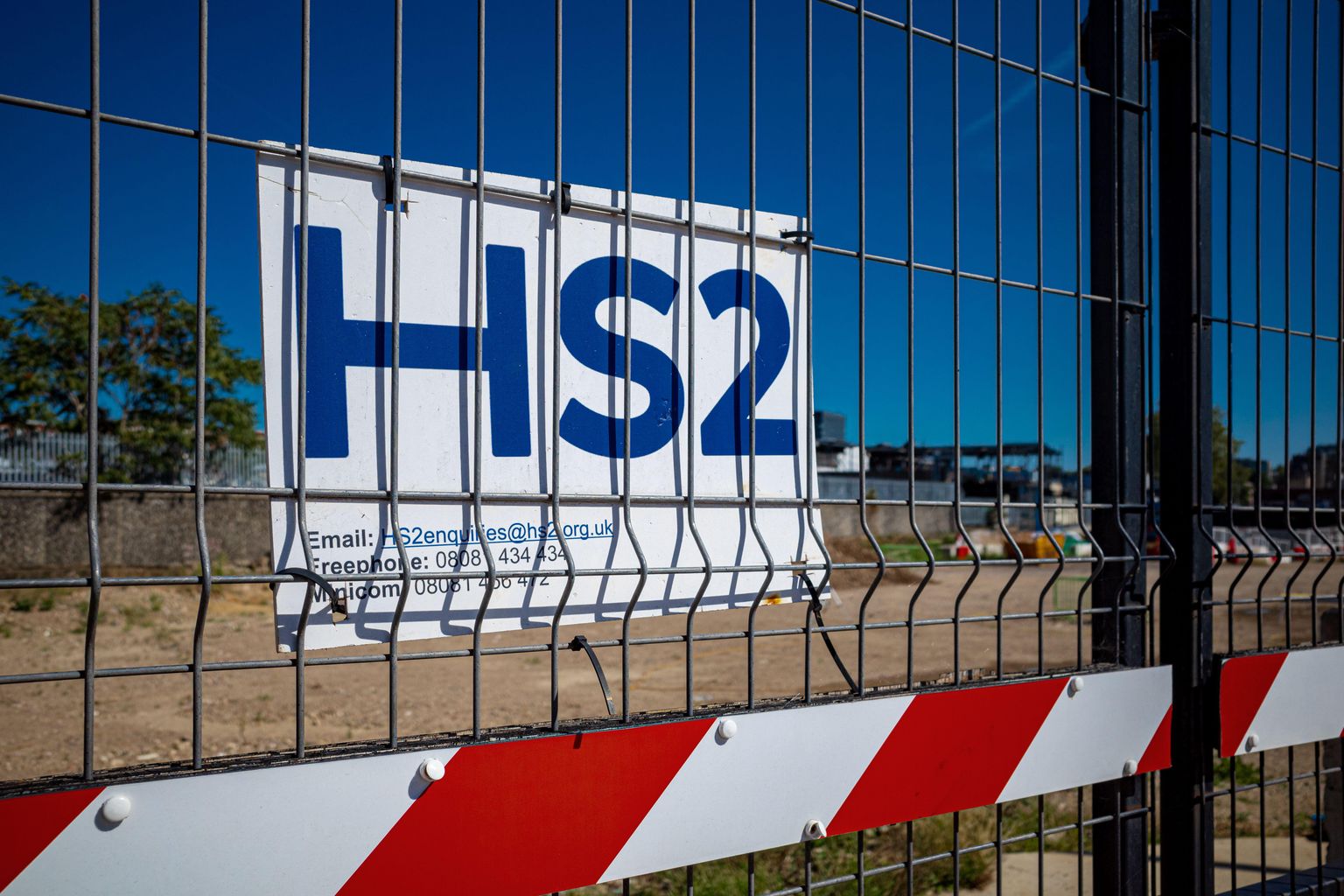
The government has officially scrapped Phase 2 of the HS2 rail project, citing cost overruns and shifting priorities. The cancellation has drawn criticism from northern leaders, who argue it undermines the government’s levelling-up agenda.

Prime Minister Rishi Sunak said, “Resources will be redirected into more localised rail upgrades across the North and Midlands.”

Construction firms that had positioned themselves for HS2 work now face uncertainty. Many are pivoting towards regional transport projects, including the Northern Powerhouse Rail and upgrades to existing lines.