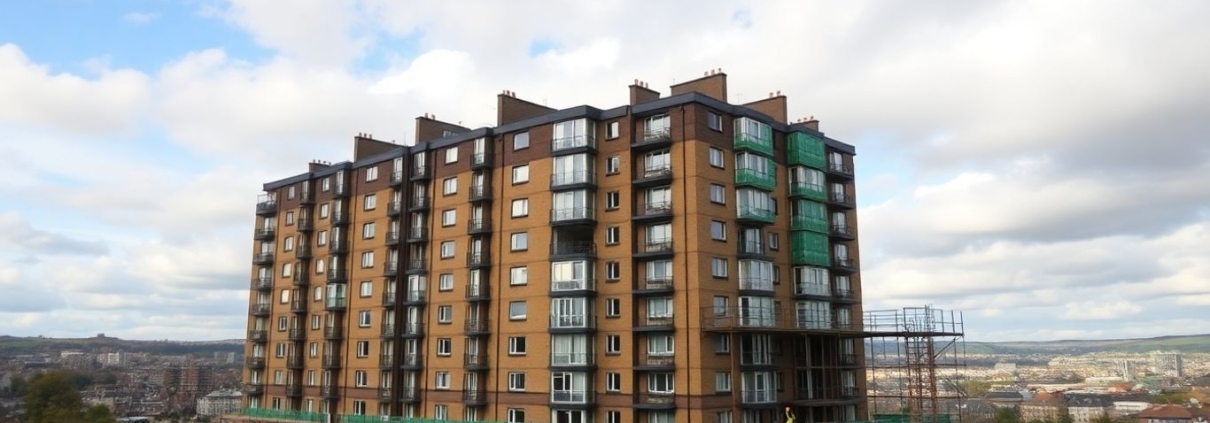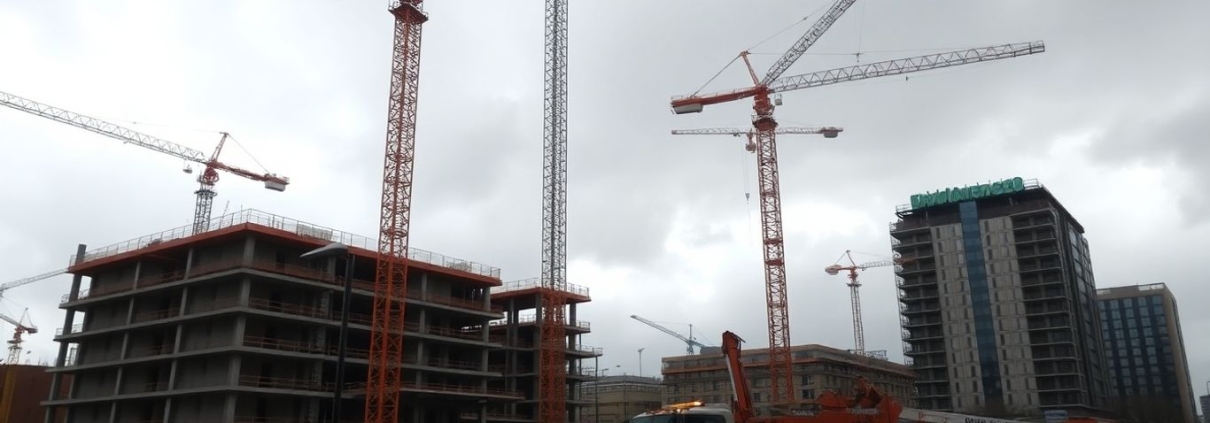

Modern Bayswater mixed-use development with cranes and buildings.

Bayswater Poised for Transformation: Major Mixed-Use Development Approved

A transformative mixed-use redevelopment project in Bayswater, London, has received the go-ahead from Westminster Council. This initiative, set to revitalise a prime stretch of Queensway, is being led by Vabel, one of the city’s innovative developers. The development will replace a previously consented proposal by Foster & Partners, marking a new era for the area.

Key Takeaways

  • Vabel’s new scheme replaces an earlier plan by Foster & Partners for the Queensway site.
  • The development features 94 homes, eight retail units, and enhanced public realm spaces.
  • The project will retain a Tesco supermarket and reinstate key community amenities, such as a Post Office.
  • The site is situated directly opposite the redevelopment of the iconic Whiteleys shopping centre, now known as The Whiteley.
  • No definitive construction timeline has been announced yet.

Major Redevelopment Plans Unveiled for Queensway

Vabel, an experienced London developer, has taken centre stage with its ambitious plans to overhaul 114–150 Queensway in Bayswater. Having acquired the site in 2024, Vabel is moving forward with an in-house architectural team, stepping in for the renowned Foster & Partners, who designed the previous iteration known as The William.

The new 20,000 sqm mixed-use scheme is strategically located opposite The Whiteley—an extensive luxury redevelopment led by Laing O’Rourke—further accelerating the transformation of this west London neighbourhood.

New Homes, Retail, and Community Facilities

Vabel’s vision for the site comprises:

  • 94 new homes aiming to meet local housing demands
  • Eight ground-level retail spaces to attract businesses and invigorate the shopping experience
  • The retention of a large Tesco supermarket, central to the neighbourhood’s day-to-day life
  • The reinstatement of valued community facilities, including a Post Office

Table: Comparison of Previous and Current Bayswater Schemes

Scheme Homes Office Space Retail Units Community Amenities
Foster’s Proposal 32 11,000 sqm Few Not specified
Vabel’s Proposal 94 None 8 Tesco, Post Office to return

A Catalyst For Queensway’s Renewal

This redevelopment is seen as a vital step in the re-energising of Queensway as a dynamic urban destination. The project aligns with ongoing regeneration efforts in the area, akin to the substantial £1bn redevelopment of the former Whiteleys shopping centre across the street, which now boasts luxury flats, wellness amenities, and the UK’s inaugural Six Senses hotel.

Daniel Baliti, Vabel’s managing director and co-founder, emphasised the developer’s commitment to contributing to the evolving vibrancy and diversity of Queensway, underlining the scheme’s role in fostering a multi-faceted community.

What Happens Next?

While the green light from Westminster Council marks a major milestone, Vabel has yet to announce a detailed timetable for construction or completion. Residents and local businesses can expect further updates as the plans proceed, with anticipation building for a new era in the heart of Bayswater.

Sources

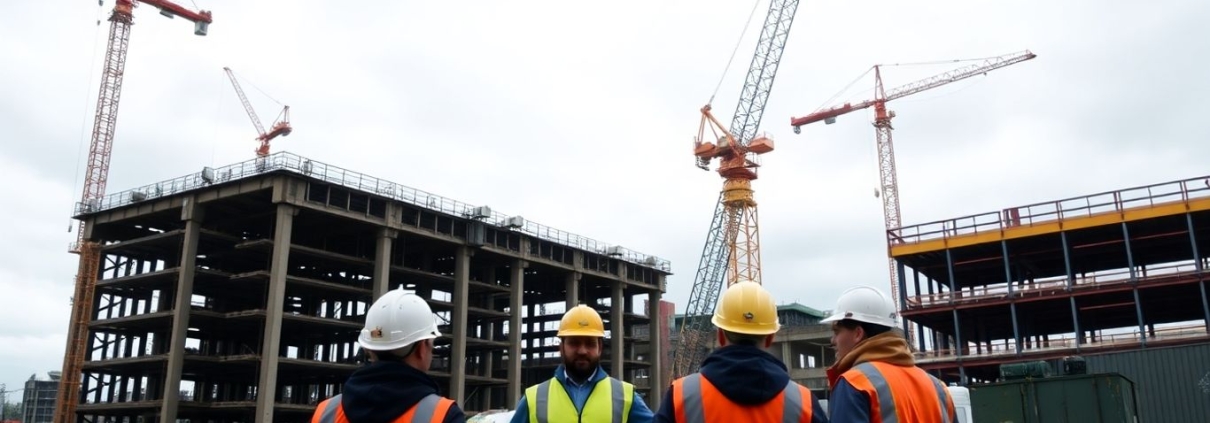
UK steelworkers at busy construction site with cranes

EU Steel Tariffs Threaten to Derail UK Construction and Steel Sector

The European Union’s recent proposal to double steel import tariffs and drastically reduce quota-free steel imports has sent shockwaves through the UK’s steel manufacturing and construction sectors. With most of the UK’s steel exports bound for the EU, industry leaders are warning of severe disruptions, delays to major projects, and potential existential threats to domestic steel producers.

Key Points

  • EU plans to increase out-of-quota steel tariffs to 50% while nearly halving tariff-free quotas
  • UK construction sector could see cost escalations and delays as a result
  • The UK government is under pressure to secure preferential treatment or specific quotas
  • Industry leaders fear a surge in diverted steel imports and job losses

Background to the EU Tariff Hikes

The European Commission has proposed raising steel tariffs applied to imports that exceed newly lowered quotas. Under the plan, tariff-free steel imports to the EU would be capped at around 18 million tonnes—a significant reduction from previous years—while out-of-quota shipments would be hit with a 50% duty. The move comes as the EU seeks to defend its own steelmaking capabilities in the face of global overcapacity and cheap imports, particularly from China and Turkey.

For the UK, the stakes are high: around 78% of British steel exports currently head to the EU. UK Steel, the sector’s trade body, has described the move as possibly the gravest threat the industry has yet faced.

Impact on UK Construction and Jobs

Analysts warn that the construction sector, already under strain from inflation and project delays, could face even tougher times if steel prices rise further. With hundreds of billions of pounds of public projects planned over the coming decade—including key investments in transport, housing, and healthcare—any disruption to steel supply chains could result in spiralling costs and timeline setbacks. Contractors may be forced to reconsider or even abandon projects if budgets become untenable.

The measures are also viewed as a major threat to employment in regions where UK steel manufacturing underpins local economies. Union leaders and business representatives have voiced deep concern that an influx of redirected steel shipments from other markets could destabilise Britain’s remaining steel producers.

Government and Industry Response

British officials are urgently seeking clarification from Brussels, and talks are expected to focus on the possibility of a country-specific quota or exemptions for the UK. Industry leaders have called on the government to act assertively, urging measures to restrict a potential flood of redirected steel imports and to ensure fair treatment for UK exporters.

Union figures stress the need for rapid negotiation to secure the industry’s future and safeguard thousands of jobs. The government, for its part, has reiterated its commitment to defending domestic steel and supporting preferential access to global markets.

Next Steps and Outlook

The EU’s proposal is subject to ratification by its member states and the European Parliament, with implementation anticipated early next year. As all parties await further details, UK manufacturers and construction firms are bracing for a period of heightened uncertainty. Strong advocacy at the negotiation table and robust domestic policy measures are seen as critical to averting a crisis that could reverberate throughout the UK’s industrial landscape.

Sources

Modern indoor arena at night with city backdrop

McLaren Set to Transform Cardiff with £300m Indoor Arena at Atlantic Wharf

Cardiff saw a significant milestone this week as work commenced on the city’s long-awaited £300 million indoor arena at Atlantic Wharf, following news that McLaren Construction has secured the flagship scheme. Set to open in 2028, the development promises to reshape the music, entertainment, and cultural profile of the Welsh capital.

Key Takeaways

  • McLaren Construction appointed main contractor for £300m Cardiff Arena
  • The project will deliver a 16,500-capacity venue and 182-room hotel
  • Scheduled for completion in 2028, the arena will anchor the Atlantic Wharf regeneration
  • Over 1,000 jobs to be created during construction and operation
  • Arena expected to attract more than a million visitors a year

A New Landmark for Cardiff Bay

The Cardiff Arena development is a centrepiece of the city’s ambitious Atlantic Wharf masterplan. Backed by Cardiff Council alongside partners Live Nation and Robertson Property, the plan extends far beyond the arena itself. Alongside the major events venue, the regeneration will see new cultural venues, offices, homes, a four-star hotel, leisure spaces, and public squares emerge over 30 acres in Cardiff Bay.

Designed by the architectural firms Populous and HOK, with interiors by Jump Studios, the arena draws inspiration from Cardiff Bay’s industrial past. Its distinctive, swooping façade features patinated corrugated panels and gold-toned accents, while generous glazing evokes the natural landscape of South Wales.

A Boost for Jobs and Cultural Profile

The arena will generate around 1,000 new jobs during its build and ongoing operation, supporting both skilled trades and long-term roles in hospitality and events. Once operational, it is predicted to attract over a million visitors annually, firmly establishing Cardiff as a major destination for international touring acts and cultural events.

Importantly, the seating bowl has been engineered for a compact footprint with sightlines and a crowd experience prioritised. Hospitality seating is integrated within the main arena, fostering a unified atmosphere among all guests.

Economic and Community Impact

City officials and project leaders highlight the transformative potential of the development for Cardiff’s economy and social landscape. Cardiff Council’s leader called it the most significant investment since the city’s stadium opened in 1999, underlining its importance for the region’s visitor economy, local business, and creative sector. The project also aligns with Cardiff’s Music City strategy, ensuring broad benefits from musicians and promoters to businesses and local communities.

Robertson Group and Live Nation echoed these sentiments, describing the arena as a “catalyst for growth” that will support regeneration in one of Wales’ most deprived areas, while also elevating Cardiff as a creative and entertainment powerhouse.

Looking Ahead

Rising construction costs—driven by inflation—mean the value of the scheme now tops £300 million. Major subcontractors have been named for groundworks, steelwork, piling, envelope, and MEP packages, reflecting the scale and complexity of the project.

With ground broken and main construction underway, Cardiff Arena is on track to become a new icon for Wales, reinforcing the city’s place on the world stage and promising lasting benefits for generations to come.

Further Reading

Edinburgh Banana Flats with scaffolding and green construction activity

Edinburgh’s Iconic ‘Banana Flats’ to Undergo £69m Eco Retrofit After Council Approval

Edinburgh City Council has received the green light to embark on an ambitious £69 million retrofit project for the city’s landmark mid-century housing blocks, Cables Wynd House and Linksview House, in Leith. The retrofitting aims to modernise the listed buildings, improve living standards, and set new benchmarks for energy efficiency in Scottish social housing.

Key Takeaways

  • £69m retrofit of Cables Wynd House and Linksview House, both Category A-listed.
  • Major upgrades to energy efficiency, fire safety, and resident security standards.
  • Collaborative delivery involving architects, engineers, and resident input.

Landmark Homes to Receive Modern Transformation

Known locally as the “Banana Flats” because of Cables Wynd House’s distinctive shape, the two buildings together house around 310 families, mostly in social-rented accommodation. Built in the 1960s, these structures have gained recognition for their post-war architectural significance, and are now celebrated for their bold style and cultural value within the Leith community.

Upgrades Target Energy, Safety, and Comfort

The comprehensive overhaul will include:

  • Insulation and Heating: Substantial improvements to insulation and installation of energy-efficient heating systems to meet the rigorous Scottish Energy Efficiency Standard for Social Housing (EESSH2).
  • Windows and Roofs: Modern, thermally efficient windows and brand new roofing.
  • Fire Safety: New sprinkler systems, upgraded fire-fighting lifts, and enhanced smoke ventilation throughout both towers.
  • Safety and Access: Improvements to external and internal lighting, CCTV coverage, and building access controls.

Additionally, the council will introduce new waste management solutions and revamp entryways, making the blocks more accessible and secure for all residents.

Emphasis on Community Involvement

A distinctive aspect of the project is its resident engagement. Consultation cycles, design feedback sessions, and neighbourhood meetings ensured that tenants’ voices informed every key stage. Residents identified persistent issues like draughts, poor insulation, unreliable heating, and accessibility concerns. These have been prioritised in the final designs with a focus on making homes warmer, healthier, and safer.

Creating Greener, More Liveable Neighbourhoods

The outdoor areas will also see significant enhancements. Plans include new play spaces for children, wildflower meadows to promote biodiversity, and sustainable drainage installations. Parking and communal waste facilities will also be improved, reflecting a holistic approach to community regeneration.

Setting A Precedent For Listed Block Retrofits

With a multidisciplinary team—including architects, engineers, and energy consultants—this project will demonstrate how Scotland’s historic housing stock can be elevated to modern standards without compromising architectural integrity. Council leaders express hope that the retrofit could become an exemplar for similar listed block upgrades nationwide, showcasing sustainable transformation while preserving community heritage.

Further Reading

Wolverhampton police station under renovation with scaffolding.

Wolverhampton’s Iconic Police Station Gets £9m Makeover: A Modern Transformation Begins

Wolverhampton Central Police Station, an iconic building opened by Princess Diana in 1992, is undergoing a £9 million refurbishment led by Henry Brothers Construction. This long-awaited upgrade promises to modernise facilities, enhance community support, and bring a significant boost to the local economy, all while keeping the station open and fully operational.

Key Takeaways

  • £9 million refurbishment underway at Wolverhampton Central Police Station
  • Works led by Henry Brothers Construction and set to last 16 months
  • Station remains open and serving the community throughout the revamp
  • Improvements include new victim care facilities, energy upgrades, and a community-focused café

Refurbishment Aims To Future-Proof Policing

The 1992-built station has remained largely unchanged for over three decades. Now, essential updates are being made to safeguard its long-term future. The upgrades feature new windows, state-of-the-art heating and cooling systems, leak and damp repairs, enhanced insulation, installation of solar panels, and energy-efficient LED lighting. Additionally, advanced safety and security measures will ensure the premises are fit for modern policing.

Enhanced Victim Care And Staff Facilities

A major focus of the refurbishment is the creation of new victim care rooms and improved staff areas. West Midlands Police leadership emphasises that victim support has become increasingly central to modern policing. The changes will provide officers with a more modern workplace and improve the quality of services offered to those in need.

Community Investment And Local Opportunities

The project prioritises local economic benefits. Henry Brothers Construction is utilising local contractors and apprentices, thus channelling a significant portion of the investment back into the community. Financial support for the scheme is a result of smart estate management, energy savings, robotics, and AI enhancements in police processes, ensuring every penny is spent efficiently.

A new on-site café will be established, managed by a local non-profit. This initiative will offer employment and training opportunities to disadvantaged individuals, including those experiencing homelessness, disabled people, and those lacking formal qualifications—mirroring successful models already in use elsewhere in the region.

Minimising Public And Policing Disruption

Despite the scale of works, operational continuity is a top priority. Some policing teams have relocated temporarily to nearby stations in Wednesfield and Bilston, but Wolverhampton Central will remain open to the public. Police leadership has committed to maintaining uninterrupted service throughout the project’s 16-month timeline.

A Pledge To Modern, Neighbourhood-Focused Policing

The investment demonstrates a clear commitment to the future of community policing in the West Midlands. By securing state-of-the-art, accessible facilities, the project aims to ensure police officers and staff have the resources they need, while strengthening support for victims and the wider public.

Sources

UK construction site with workers and cranes, subdued activity

UK Building Sector Shows Signs of Recovery Amid Ongoing Job Losses

The UK construction sector has shown tentative signs of recovery as the pace of decline slows, particularly in housebuilding and civil engineering. However, the industry continues to grapple with persistent job losses and uncertainty among clients.

Key Takeaways

  • The construction slump is easing, but activity remains in contraction territory.
  • Housebuilding and infrastructure see slower declines, hinting at stabilisation.
  • Job cuts in the industry have persisted for nine consecutive months.
  • Companies report cautious client spending amid economic and policy uncertainty.

Sector Contraction Slows but Work Remains Below Neutral

The latest industry data revealed the UK construction purchasing managers’ index (PMI) improved to 46.2 in September, up from 45.5 in August. Although this marks the sector’s highest reading in three months, it remains below the critical 50.0 threshold that signals industry growth, meaning construction activity is still shrinking—just at a slower rate than in previous months.

Housebuilding and civil engineering both saw a reduced rate of decline, suggesting cautious optimism around these subsectors. Despite the overall negative trend since the start of the year, the recent data hints that the worst of the downturn may be passing.

Continued Decline in New Orders

Construction firms report that new business remains subdued, with incoming orders dropping for the ninth consecutive month. However, the pace of this decline was the slowest since early 2025, a minor positive for the sector. Economic uncertainty is prompting clients to delay or pause large expenditure projects, with many waiting to see the impact of the upcoming autumn Budget.

Companies note that energy security and infrastructure projects could offer lifelines in the near term, though widespread caution persists amid a sluggish domestic economy.

Persistent Job Cuts Create Uncertainty

Employment in the construction sector continues to fall, marking the longest run of job losses since the COVID-19 pandemic. Firms cite smaller workloads, hiring freezes, and decisions not to replace departing staff as main reasons for reduced headcounts.

Low business optimism and robust cost pressures compound the issue, contributing to declining employment levels. Some analysts caution that measures such as the PMI may reflect negative business sentiment rather than a fundamental further drop in activity. Nonetheless, ongoing speculation about government fiscal measures and delayed interest rate cuts are affecting the sector’s outlook.

Outlook: Cautious Optimism Ahead

Economists suggest that government investment initiatives and reforms focused on increasing housebuilding could support the sector and help reverse the downward trend. While the immediate outlook remains challenging, new opportunities in energy and infrastructure may provide a much-needed boost if policy and financial conditions improve.

References

Emirates Stadium expansion construction aerial view

Arsenal Lay Groundwork for 80,000-Seat Emirates: Ambitious Stadium Expansion Plans Revealed

Arsenal Football Club have initiated plans for a major redevelopment of Emirates Stadium, eyeing a dramatic increase in capacity to potentially up to 80,000 seats. With escalating demand from fans and a need to keep pace with rivals, the Gunners are exploring the biggest transformation in the club’s modern era.

Key Takeaways

  • Arsenal are considering expanding Emirates Stadium to 80,000 seats
  • Plans are at a preliminary stage, with various designs under review
  • A major capacity boost would restore Emirates’ position as London’s largest club ground
  • The project could cost around £500 million and may require a temporary relocation

Background: Why Emirates Expansion Now?

Since its 2006 opening, Emirates Stadium has boasted a capacity of just over 60,000. However, recent years have seen North London rivals Tottenham Hotspur open a larger modern ground, and West Ham’s London Stadium also surpass the Emirates’ size. With over 100,000 fans on Arsenal’s season ticket waiting list, the club’s owners have recognised the need for more seats and enhanced facilities, ensuring Arsenal remain competitive on and off the pitch.

Expected Benefits for Arsenal

A jump to a possible 80,000 seats would see Emirates return to the top of London’s football venues, overtaking both Tottenham and West Ham. The potential revenue gains from increased ticket and hospitality sales could be substantial, echoing the financial successes of recent stadium redevelopments at clubs like Real Madrid. This will support Arsenal’s ambitions domestically and in Europe while offering more fans the chance to experience matchdays.

Potential Designs and Construction Challenges

The Emirates’ current bowl shape was designed with future expansions in mind but still presents logistical hurdles. The redevelopment could involve adding seating tiers or redeveloping one end of the ground, subject to planning approval and overcoming the area’s space constraints, such as proximity to residential blocks and transport routes. Complexities may result in an extended construction period, reportedly costing up to £500 million.

Temporary Relocation and Timelines

As the plans are likely to disrupt matches, Arsenal may need a temporary home, with Wembley Stadium identified as the most probable substitute venue. However, the club must consider competition for Wembley from other teams like Chelsea, who are also exploring stadium upgrades. There is currently no definitive timeline, but construction is not expected to begin before the end of the 2026/27 season.

Fan Reactions and Board Leadership

Initial fan response has been largely enthusiastic, seeing the move as a statement of intent matching Arsenal’s on-field ambitions. The ownership group, guided by figures with significant real estate development experience, is involved from the start, indicating the seriousness of the project.

Emirates Stadium’s expansion promises to be a defining moment in Arsenal’s modern history, providing a legacy for future generations while reinforcing their presence among Europe’s elite both on and off the pitch.

Sources

HSS and Speedy Hire stores with digital connection

Major Shake-Up in UK Equipment Hire: HSS Offloads Stores, Forms Landmark Digital Deal with Speedy Hire

The UK equipment hire market is undergoing a significant transformation as HSS Hire has announced the sale of its entire UK hire store network to private equity firm Endless LLP, while entering a five-year partnership with Speedy Hire to become an online marketplace.

Key Takeaways

  • HSS is selling its 39 UK hire branches and 65 builder merchant concessions to Endless LLP.
  • The company will transition to a digital-only model, focused on its ProService platform.
  • Speedy Hire takes on a key supplier role for ProService and acquires a near 10% stake in the business.
  • HSS rebrands as ProService Building Services Marketplace plc.
  • The strategic move follows a major loss and is expected to unlock new growth opportunities.

HSS Exits Physical Stores for a Digital-First Future

HSS Hire’s decision signals its official exit from the asset-heavy world of physical hire shops, marking a dramatic shift toward being an online-only service provider. Endless LLP takes ownership of 39 branches and arrangements with 65 builders’ merchants in exchange for £26 million in cash contributions from HSS. Notably, the ProService distribution centres remain with the newly rebranded ProService Building Services Marketplace plc.

This transition is designed to make HSS a capital-light and scalable digital platform. The strategy is poised to drive profitable growth without the operational complexity of managing a widespread branch network.

Speedy Hire’s Strategic Investment and Supply Deal

Speedy Hire steps into the spotlight with a two-fold move: a £35 million investment for a 9.99% stake in ProService and a long-term supply agreement. For at least the next five years, Speedy will replace HSS’s former hire business as the core equipment provider for ProService’s customers.

Under the agreement, Speedy estimates an annual boost of £50–55 million in revenue from supplying equipment to ProService clients. The company will also extend its reach as ProService takes on fulfilment duties for Speedy’s customers. Both firms expect to see improved earnings and operational margins from the deal’s synergies.

Financial Context: Restructuring Amidst Challenging Conditions

Over the last 15 months, HSS has completed multiple disposals, including its Irish and power businesses. The latest accounts show ProService driving the majority of group revenues—out of a group total of around £379 million, ProService contributed nearly £363 million.

Despite these top-line numbers, HSS reported a £130 million pre-tax loss, primarily due to a £113.5 million impairment related to its hire operations. The company’s shares, which had been suspended on AIM, have now resumed trading following the deal’s announcement and annual report release.

Jobs, Integration, and Outlook

Approximately 300 HSS hire business employees are set to transfer to Speedy, with another 100 moving from Speedy to ProService. The leadership of both companies views the transformation as a catalyst for accelerated growth and customer value creation.

The strategic partnership between HSS (as ProService) and Speedy Hire is seen as a bold step toward reshaping the UK’s equipment hire landscape—promoting a tech-enabled, asset-light business model that aligns with changing market demands.

Further Reading

Croydon housing site with cranes and workers resuming construction.

New Contractor Steps In After Henley Collapse Halts Croydon Housing Project

Southern Housing’s 116-home development on Cherry Orchard Road, Croydon, is back on track following months of uncertainty after Henley Construct—its previous contractor—collapsed in April 2023. The project, left unfinished and owing millions to suppliers, has now been handed to Formation Design & Build, marking a significant step forward for the much-delayed scheme.

Key Takeaways

  • Henley Construct collapsed in April 2023, stalling multiple projects including Croydon’s Cherry Orchard Road.
  • Southern Housing appointed Formation Design & Build to complete the 116-home scheme.
  • The development includes a nine-storey building with a mix of studio, one-, and multi-bedroom flats, as well as spaces for cycling, parking, and communal living.
  • Suppliers and creditors face unrecovered debts after Henley’s administration.

Background On The Cherry Orchard Road Scheme

Originally valued at £35.2 million, the Cherry Orchard Road project was designed to address housing demand in Croydon. Plans feature a blend of private and communal amenities, sustainable drainage, refuse and recycling areas, and comprehensive landscaping. The building’s nine-storey structure is set to host a mix of accommodation sizes to appeal to a broad demographic, supporting local regeneration goals.

The Collapse Of Henley Construct

The progress ground to a halt after Henley Construct went into administration, leaving incomplete work across several sites and substantial debts to over 200 suppliers, subcontractors, and trade creditors. Southern Housing, fresh off a merger with Optivo the previous December, filed a claim for £36 million in losses and damages. Disappointingly, administrators have since indicated there is little hope for creditors to recover lost funds.

Formation Design & Build Takes Over

West London-based Formation Design & Build, specialising in large residential builds, was selected to revive the Croydon development. Their experience— including major projects like the £100 million Ashley Road redevelopment — gives fresh hope that this long-delayed site will finally be completed to its original vision. While financial details remain undisclosed, stakeholders anticipate significant progress in the coming months.

Broader Impact And Next Steps

Henley’s administration didn’t only affect Cherry Orchard Road. Two other Southern Housing projects in South London—one in Thornton Heath and another in Tulse Hill—were also disrupted. Across these sites, unpaid bills left trade partners empty-handed.

For Croydon residents and future tenants, the restart on Cherry Orchard Road represents a positive shift after a year of setbacks and delays. With work now resuming under Formation Design & Build, attention will remain fixed on the project’s pace and the longer-term prospects for recovering from the widespread disruption triggered by Henley Construct’s collapse.

References

Architectural render of Shaftesbury Avenue office redevelopment designed by DSDHA

Edge Awards £150m Shaftesbury Avenue Office Revamp to Sir Robert McAlpine

Sir Robert McAlpine has secured a major construction contract worth around £150 million to redevelop a landmark office building on Shaftesbury Avenue in London. The project, led by Dutch developer Edge and its joint venture partner Mitsubishi Estate, marks McAlpine’s third collaboration with the developer in the capital.

The deal, managed through Luxembourg-based VREF Shaftesbury Avenue, was finalised after McAlpine beat rival contractor Bovis to the prestigious design-and-build project. The scheme is set to modernise an existing brick-clad office block originally built in the early 1980s, which has been vacant above the ground floor for several years.

Sustainability and Modern Design at the Core

The redevelopment, designed by architect DSDHA, reflects a growing focus on sustainability and adaptive reuse in London’s commercial property market. Edge and Mitsubishi have shifted away from previous high-rise proposals in favour of a low-carbon refurbishment that prioritises environmental performance and user wellbeing.

Key updates to the design include:

  • A new light-filled atrium to enhance natural ventilation and daylight.

  • A widened pedestrian route through the site to improve accessibility.

  • Retention of existing floor slabs to reduce embodied carbon emissions.

The revised scheme follows a new planning application submitted in late 2024, after Edge and Mitsubishi acquired the site from Almacantar in 2023. The previous owner had gained approval for a separate tower development that was never started.

Architectural render of Shaftesbury Avenue office redevelopment designed by DSDHA

Retained Project Team and Construction Timeline

Edge and Mitsubishi retained several key members from the previous design team to ensure project continuity. The project’s professional lineup includes:

  • Gardiner & Theobald – Cost Consultant

  • AKT II – Structural and Civil Engineer

  • Gerald Eve – Planning Consultant

  • GIA – Daylight Consultant

  • Waterman – Transport and Environmental Services

Sweco has joined as the MEP engineer, replacing Long & Partners, while D2E continues as lift consultant.

According to Waterman’s draft construction management plan, site enabling and demolition works are due to start this month, with overall completion expected by summer 2028.

Construction workers preparing for office redevelopment on Shaftesbury Avenue, London.

Edge and McAlpine Strengthen London Partnership

This Shaftesbury Avenue project follows McAlpine’s successful delivery of two other major schemes for Edge:

  • The £250m London Bridge Tower, nearing completion.

  • The £200m Edge Liverpool Street office development, awarded earlier this year.

Both projects reinforce the shared focus between the firms on energy-efficient construction and smart building design, aligning with the growing demand for environmentally conscious workplaces.

Competitive Market Momentum

Although Bovis missed out on this latest contract, the firm remains active in the commercial and public construction markets. It recently secured a £237m British Army redevelopment in the East Midlands, a £330m office scheme at 60 Gracechurch Street, and a £60m refurbishment at Portman Square.

McAlpine’s appointment by Edge highlights the company’s reputation for managing complex refurbishment projects and delivering high-value sustainable construction in central London.