Tag Archive for: Country

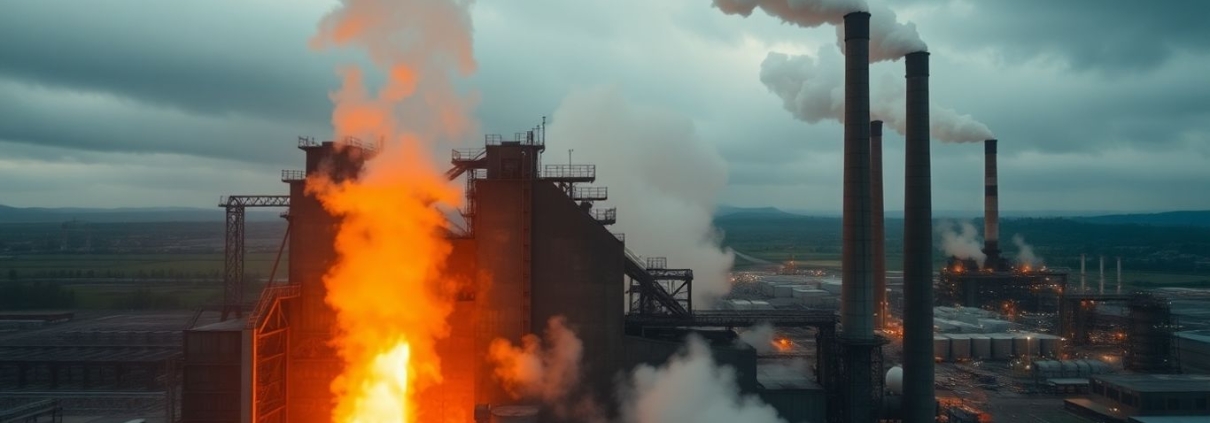
Steel mill with molten metal and smoke.

UK Proposes Western Steel Alliance to Counter China and Avoid EU Tariffs

Britain is actively seeking to forge a strategic alliance with the European Union, potentially including the United States, to address China’s overwhelming influence in the global steel market. This initiative aims to harmonise tariff policies among Western nations and secure preferential trade terms, while also helping the UK sidestep impending EU tariffs designed to protect European producers from Chinese overcapacity.

Key Takeaways

  • The UK is proposing a Western steel alliance with the EU and potentially the US.
  • The alliance aims to align tariff policies and counter China’s dominance.
  • This move could help the UK avoid new EU tariffs on steel imports.
  • Both the EU and UK have expressed concerns about global steel overcapacity.

A United Front Against Chinese Steel

In a significant diplomatic push, the UK is advocating for a collaborative approach with the European Union to tackle the challenges posed by China’s substantial presence in the international steel sector. Officials familiar with the discussions indicate that London hopes a unified strategy will enable the UK to secure exemptions from the 50 percent tariffs the EU plans to implement. These tariffs are intended to shield EU manufacturers from the impact of China’s industrial overproduction.

Navigating Post-Brexit Trade Relations

Following its departure from the EU, the UK finds itself subject to the bloc’s trade actions. The current proposal for a Western steel alliance is seen as a way to gain preferential treatment on steel trade and align tariff strategies. This concept of a steel “club” has been discussed previously and is gaining traction as a viable solution to the growing problem of overcapacity.

Addressing Global Overcapacity

Senior EU officials have acknowledged the necessity of defending the bloc’s steel industry, citing “deep trouble” due to overcapacities. While the door remains open for negotiations with London, the EU has stressed the urgency of addressing the issue. The UK and EU already collaborate on steel-related matters in international forums and have agreed to align their carbon taxes on imports from polluting manufacturing processes.

Potential Benefits for the UK Steel Industry

With half of its steel exports directed towards the EU, the UK faces significant repercussions from the bloc’s planned tariffs. Industry bodies in the UK are urging the government to secure carve-outs from these measures and strengthen domestic trade defenses. However, a broader alliance could offer a more comprehensive solution by addressing global overcapacity and preventing heavily subsidised imports from entering the British market.

International Coordination

The United States has also voiced concerns, with its Trade Representative calling for enhanced coordination against Chinese steel and questioning the adequacy of current international trade rules. The UK government has confirmed ongoing engagement with the EU and collaboration with international partners to find solutions for the overcapacity issue.

Sources

London skyline with new housing construction cranes.

London Housing Crisis: Government Unveils Emergency Measures to Boost Housebuilding

The UK government has announced a significant package of emergency measures aimed at revitalising housebuilding in London, which has seen a dramatic decline in new developments. The initiative seeks to address a “perfect storm” of high interest rates, rising material costs, and post-pandemic economic impacts.

Key Takeaways

  • Affordable housing targets for new private developments in London have been reduced from 35% to 20%.
  • A £322 million Developer Investment Fund has been established to support City Hall’s efforts.
  • The Mayor of London has been granted new powers to fast-track planning and call in schemes.
  • Temporary relief from development levies and some design restrictions are being introduced.

Addressing the Housing Slump

The government, in collaboration with the Mayor of London, has introduced a series of urgent interventions designed to make development sites more viable and encourage developers to commence construction. These measures come in response to a severe downturn in the capital’s housing market, with some boroughs reporting zero new starts in the first quarter of the year.

Key Policy Changes

The package includes several key policy shifts:

  • Reduced Affordable Housing Quotas: The mandatory percentage of affordable housing on new private developments has been lowered from 35% to 20%. This is intended to improve the financial viability of schemes and incentivise developers.
  • Fast-Tracked Planning: A time-limited planning route will be available for sites committing to at least 20% affordable housing. This route includes streamlined processes and the potential for Mayoral call-in powers for schemes of 50 homes or more.
  • Developer Levy Relief: Housebuilders will receive temporary relief from the Community Infrastructure Levy (CIL) for projects commencing before December 2028, provided they help unlock development.
  • Design Flexibility: Certain design guidance that constrains density will be removed, offering developers more flexibility as long as basic standards for ventilation, daylight, and privacy are met. Cycle storage requirements will also be made more flexible.
  • Mayor’s Enhanced Powers: The Mayor of London will gain new authority to review and call in housing schemes of 50 homes or more, and to make decisions on developments exceeding 1,000sqm on green belt land.
  • Developer Investment Fund: An initial £322 million has been allocated to establish a City Hall Developer Investment Fund to further boost housebuilding.

Sector Reaction

The announcement has elicited a mixed response from the housing sector. While many housebuilders and developers have welcomed the measures as a necessary step to stimulate activity and restore market confidence, concerns have been raised about the reduction in affordable housing targets. Some organisations have stressed that the lower targets must be a temporary measure and not set a precedent for future affordable housing requirements. There are also ongoing discussions about the effectiveness of these measures in addressing the fundamental issue of housing demand.

Government and Mayor’s Statements

Housing Secretary Steve Reed stated, “I have worked closely with the Mayor of London to give the capital the shot-in-the-arm it needs to ensure more Londoners have an affordable home of their own.” Mayor of London, Sadiq Khan, added, “With these significant new powers and the initial £322 million of funding from the government – plus the short-term emergency action to get more investment flowing into affordable housing – I’m confident that we can kickstart housebuilding and deliver more of the affordable homes Londoners badly need.”

Sources

EU and UK flags facing off over a steel beam.

EU Steel Tariffs Ignite Trade War Fears with UK, Threatening Brexit Deal

The European Union’s decision to impose significant tariffs on steel imports has ignited fresh trade tensions with the United Kingdom, with industry leaders warning it could breach the Brexit agreement and trigger a severe crisis for the UK steel sector. The new measures, which include a 50% tariff on steel exceeding reduced quota limits, could drastically curtail British exports to the EU, a market worth nearly £3 billion annually.

Key Takeaways

  • The EU plans to introduce a 50% tariff on steel imports exceeding new, reduced quota limits.
  • This move could potentially halve the volume of UK steel that can be exported tariff-free to the EU.
  • The UK steel industry has voiced grave concerns, labelling it a potential ‘biggest crisis’ in its history.

EU Defends Tariffs Amidst UK Outcry

The European Commission has stated that the tariffs are a necessary measure to protect its domestic steel industry from a surge of cheaper imports, particularly from countries like China, Turkey, and India. Officials argue the move is designed to prevent market flooding and ensure fair competition. However, British manufacturers and trade analysts view the decision as thinly veiled protectionism that unfairly targets UK exports.

Impact on the UK Steel Industry

Gareth Stace, director-general of UK Steel, warned that the tariffs could be the “biggest crisis the UK steel industry has ever faced,” potentially determining the survival or collapse of many companies. With the EU being the UK’s primary export market for steel, accounting for nearly 80% of overseas trade, these prohibitive costs could effectively price British steel out of Europe. This comes at a time when UK steelmakers are already grappling with high energy costs, post-Brexit red tape, and intense global competition.

Government Response and Potential Recourse

The UK government has expressed its intention to seek urgent clarification from the European Commission and is exploring avenues to mitigate the impact. A spokesperson for the Department for Business and Trade stated that the UK is working with partners to ensure fair trade. Officials are reportedly considering bilateral discussions and may explore options through the World Trade Organization if the tariffs are found to contravene post-Brexit agreements. However, any legal challenges are expected to be lengthy, leaving the industry exposed to immediate financial damage.

Broader Economic and Geopolitical Context

The EU’s decision reflects growing pressure from its own steel producers facing competition from low-cost imports. This move risks exacerbating post-Brexit trade friction between the UK and the EU at a time when both sides are seeking to foster a more stable relationship. Communities heavily reliant on steel production, such as Port Talbot, Scunthorpe, and Rotherham, could face significant job losses and economic hardship if export volumes decline sharply. The new EU rules are expected to be finalised in the coming weeks, with potential implementation as early as next year, unless a compromise is reached.

Sources

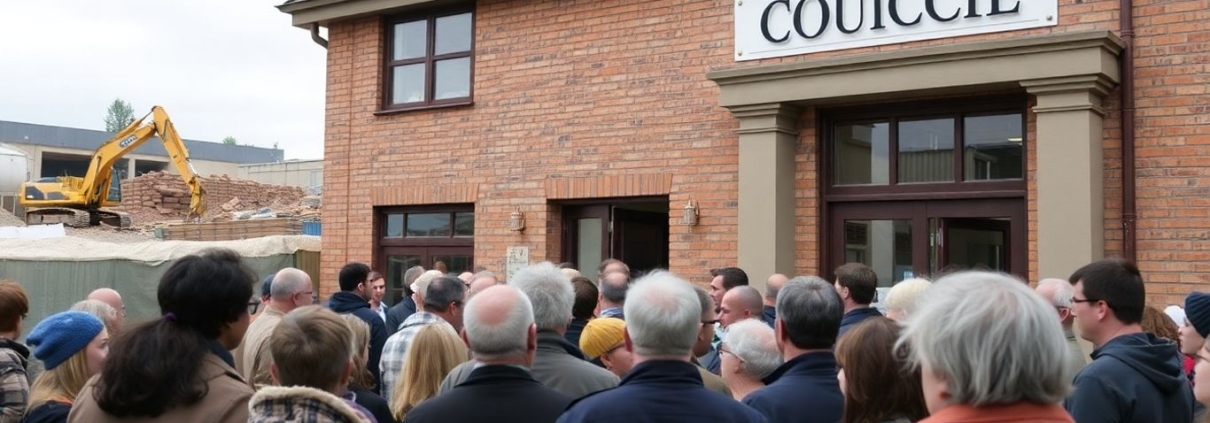
Burnley Council building with residents protesting development.

Burnley Council Approves Controversial Commercial Development Amidst Resident Objections

Burnley Council’s development control committee has granted planning permission for a new building to house six commercial units on the former Hargher Clough Mill site in Hargher Street, Burnley. The decision, made by DCL Lancashire Ltd, was approved despite significant opposition from local residents concerned about the impact on their properties and quality of life.

Key Takeaways

  • Burnley Council’s development control committee approved the construction of six commercial units.
  • The decision was made despite seven objections from nearby residents.
  • Concerns raised by residents include loss of light, amenity, increased noise, and impact on house values.
  • The site is allocated for housing, but previous development has established a precedent for light industrial use.

Project Details and Location

The proposed development by Padiham-based DCL Lancashire Ltd is situated on the northern area of the former Hargher Clough Mill site. The western half of the site retains an existing mill building and access, while the eastern area has been cleared. The central and southern parts of the wider mill site are already developed with industrial units. The site is relatively flat and enclosed by a high boundary wall, with a public footpath and residential properties located beyond its northern edge.

The Proposed Building and Amenities

The new industrial building will contain six units. It is designed to be a maximum of 36 metres wide and 15.2 metres deep, featuring a mono-pitched roof with a maximum height of 6 metres and eaves height of 4.5 metres. The development also includes plans for 13 additional car parking spaces, situated on the west and east sides of the building. Access to the site will be from Hargher Street.

Resident Concerns and Council’s Decision

Seven objections were lodged by nearby residents. Their concerns primarily focused on the potential loss of light to neighbouring residential properties and their rear gardens, a general loss of amenity, an increase in noise levels, and a potential negative impact on property values. A planning officer’s report acknowledged these objections, noting that the application was presented to the committee due to the number of objections received.

Despite the objections and the fact that the site is allocated for housing, the council’s decision was to grant permission. The report highlighted that the majority of the site has already been developed with light industrial storage units, and the remainder could not realistically be redeveloped for residential use. The principle of light industrial development had been established under a previous application. Consequently, while the proposal did not strictly align with Local Plan policy, it was deemed acceptable by the committee.

Sources

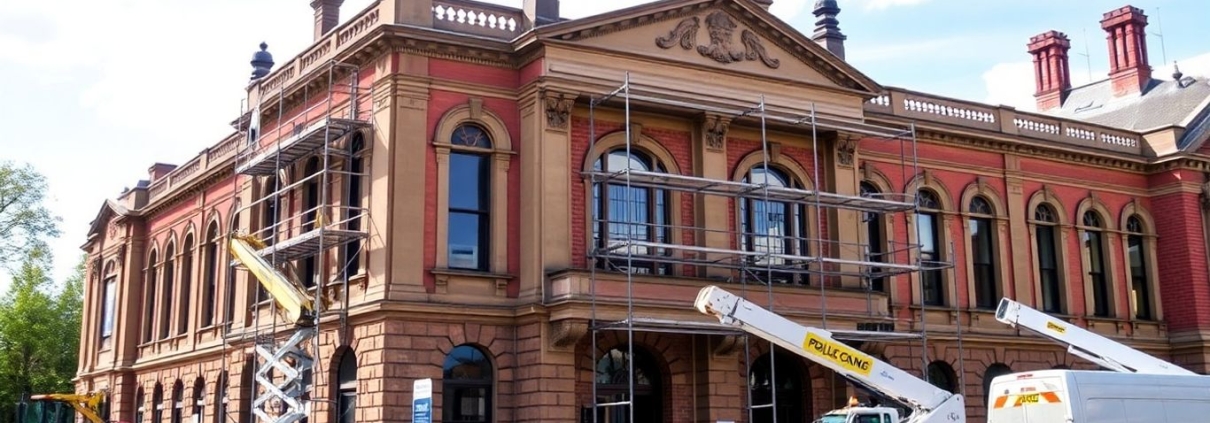
Wolverhampton police station under renovation with scaffolding.

Wolverhampton’s Iconic Police Station Gets £9m Makeover: A Modern Transformation Begins

Wolverhampton Central Police Station, an iconic building opened by Princess Diana in 1992, is undergoing a £9 million refurbishment led by Henry Brothers Construction. This long-awaited upgrade promises to modernise facilities, enhance community support, and bring a significant boost to the local economy, all while keeping the station open and fully operational.

Key Takeaways

  • £9 million refurbishment underway at Wolverhampton Central Police Station
  • Works led by Henry Brothers Construction and set to last 16 months
  • Station remains open and serving the community throughout the revamp
  • Improvements include new victim care facilities, energy upgrades, and a community-focused café

Refurbishment Aims To Future-Proof Policing

The 1992-built station has remained largely unchanged for over three decades. Now, essential updates are being made to safeguard its long-term future. The upgrades feature new windows, state-of-the-art heating and cooling systems, leak and damp repairs, enhanced insulation, installation of solar panels, and energy-efficient LED lighting. Additionally, advanced safety and security measures will ensure the premises are fit for modern policing.

Enhanced Victim Care And Staff Facilities

A major focus of the refurbishment is the creation of new victim care rooms and improved staff areas. West Midlands Police leadership emphasises that victim support has become increasingly central to modern policing. The changes will provide officers with a more modern workplace and improve the quality of services offered to those in need.

Community Investment And Local Opportunities

The project prioritises local economic benefits. Henry Brothers Construction is utilising local contractors and apprentices, thus channelling a significant portion of the investment back into the community. Financial support for the scheme is a result of smart estate management, energy savings, robotics, and AI enhancements in police processes, ensuring every penny is spent efficiently.

A new on-site café will be established, managed by a local non-profit. This initiative will offer employment and training opportunities to disadvantaged individuals, including those experiencing homelessness, disabled people, and those lacking formal qualifications—mirroring successful models already in use elsewhere in the region.

Minimising Public And Policing Disruption

Despite the scale of works, operational continuity is a top priority. Some policing teams have relocated temporarily to nearby stations in Wednesfield and Bilston, but Wolverhampton Central will remain open to the public. Police leadership has committed to maintaining uninterrupted service throughout the project’s 16-month timeline.

A Pledge To Modern, Neighbourhood-Focused Policing

The investment demonstrates a clear commitment to the future of community policing in the West Midlands. By securing state-of-the-art, accessible facilities, the project aims to ensure police officers and staff have the resources they need, while strengthening support for victims and the wider public.

Sources