
London’s Housing Crisis Deepens Amidst Critical Construction Skills Shortage
London is grappling with a severe housing crisis, exacerbated by a significant shortage of skilled construction workers. This deficit is not only delaying new home builds but also prompting potential buyers to opt for older properties, further straining the market. The situation highlights a critical need for workforce development in the capital’s building sector.
Key Takeaways
- Over 10% of Londoners face waits exceeding a year for essential tradespeople like handymen and electricians.
- A similar percentage of prospective buyers have delayed moving into new builds due to construction delays caused by a lack of tradespeople.
- Many are choosing older homes over new builds because of projected longer construction timelines.
- A tenth of potential buyers have abandoned purchases entirely due to mortgage offer expirations caused by building delays.
The Scale Of The Skills Gap
New data reveals the stark reality of London’s construction labour shortage. Polling indicates that more than one in ten London residents have endured waits of over a year for services from handymen or electricians. The situation is equally dire for other trades, with less than five percent of residents able to secure a roofer within a month, and only three percent finding a bricklayer in the same timeframe.
Impact On New Builds And Homebuyers
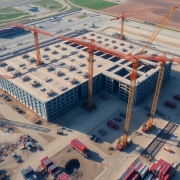
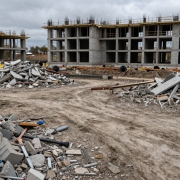
The consequences for the new build sector are significant. Thirteen percent of survey respondents reported delays in moving into their new homes because construction was not completed on schedule, directly attributed to a shortage of skilled workers. Furthermore, the same proportion opted to purchase older properties instead of new builds, citing concerns about significantly extended construction periods. Alarmingly, one in ten individuals were forced to withdraw from purchasing a home altogether when their mortgage offers expired due to these persistent building delays.
Challenges For Tradespeople And The Wider Economy
Clive Holland of Fix Radio highlighted that the demand for construction work consistently outstrips the available workforce, a gap that has been widening. He noted that working in London has become increasingly challenging due to factors such as high daily charges, elevated operating costs, the risk of tool and van theft, and general safety concerns. These pressures are leading many tradespeople to relocate to areas like the Midlands or Bristol, where the day-to-day pressures are more manageable.
Government Targets And The Reality On The Ground
The Mayor of London is tasked with delivering 88,000 new homes annually for the next decade. However, last year saw the completion of only 11,600 new properties. The Deputy Mayor for Housing, Tom Copley, has acknowledged a “crisis” in construction skills, expressing concerns about the insufficient number of trained workers and a lack of educators to train the next generation. This shortage impacts not only the quantity but also the quality of new homes, with an increase in snagging and remedial work suggesting a decline in build quality.
Proposed Solutions And Future Outlook
Calls are being made to make London a more viable place for tradespeople, including suggestions to scrap ULEZ and congestion charges for them and to strengthen enforcement against tool theft. While the government has pledged significant funding to create more skilled construction workers by 2029, the immediate impact on London’s ambitious housing targets remains to be seen. The complexity of the issue extends to attracting talent to teach in further education colleges, with current pay scales being insufficient to draw experienced professionals from lucrative building sites.